
I’ve added Amit’s Stats micro.blog plugin to my site. It’s interesting to me that I posted nearly 100 more posts in 2020 than any other year. You will notice that I mostly write title-less posts, it’s how I was “raised” to do blogging.
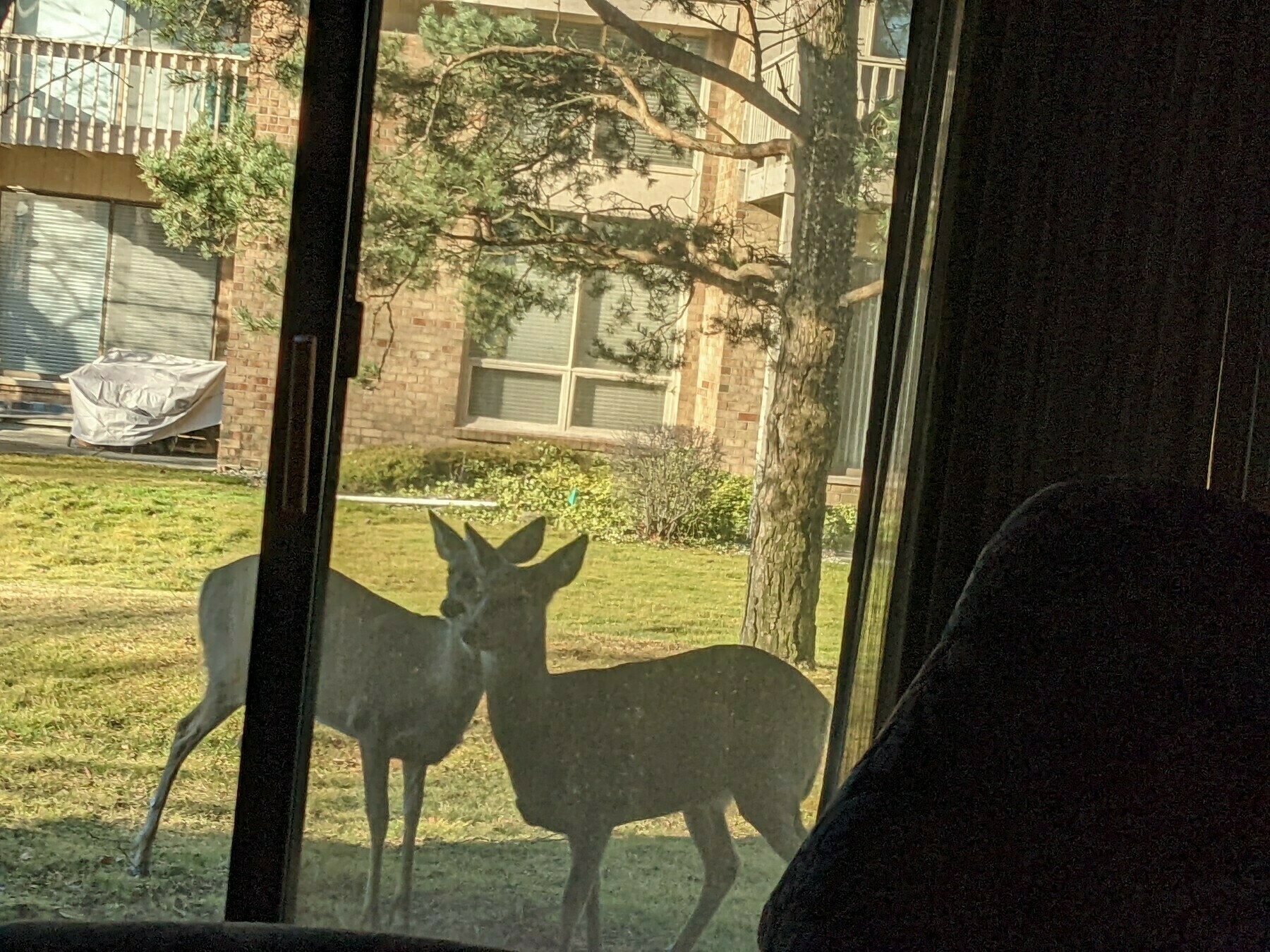
Visitors came to see what we got for Christmas
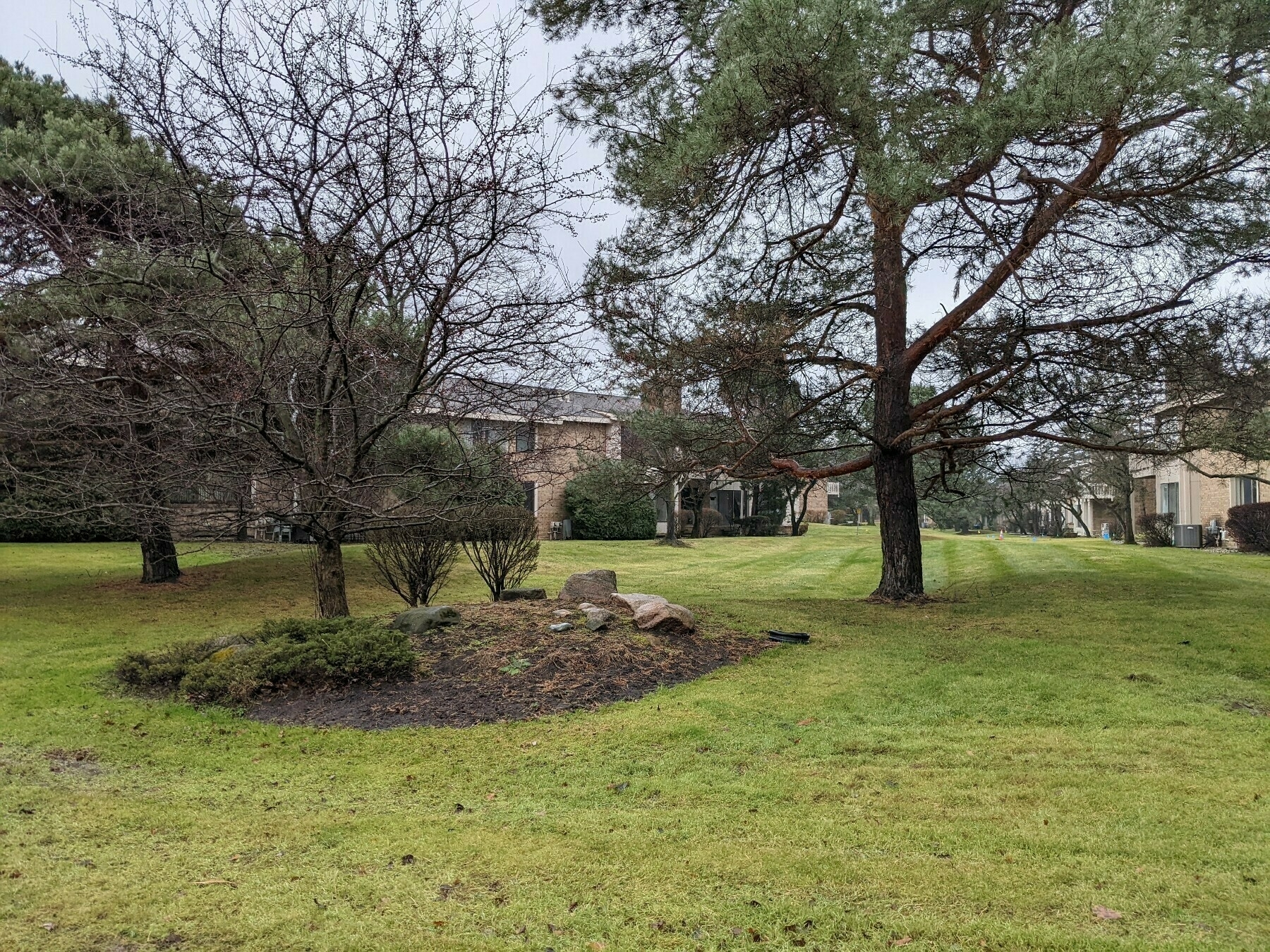
This year we have a green, wet Christmas🎄
If you have a Google Pixel phone you probably know about its lock screen always on display. A change has occurred some time during the last week affecting always on display of my Pixel 4a at night. I am one of those people who sleeps with their phone on their bed stand, it’s basically my alarm clock. In the past, when in the dark always on display would dim but stay on enough to be seen and I woke up I could see the time. For the last several nights now the display has turned off and I don’t know why. I see that Digital Wellbeing has a bedtime mode where I can specify keep the screen dark, but I am not using that function.
The Verge: Google will launch two flagship smartwatches early next year. December 22, 2016. Of course, that didn’t happen with Wear OS 2.0, but reports are it will finally happen this coming year with Wear OS 3.0. We will see.
On September 1, 2014 I wrote about the buzz on the northside of Chicago as the Cubs were calling up some of their young players like Javier Baez. I speculated about whether Theo would sign Jon Lester. Little did I know then that just two years later the Cubs would win it all.
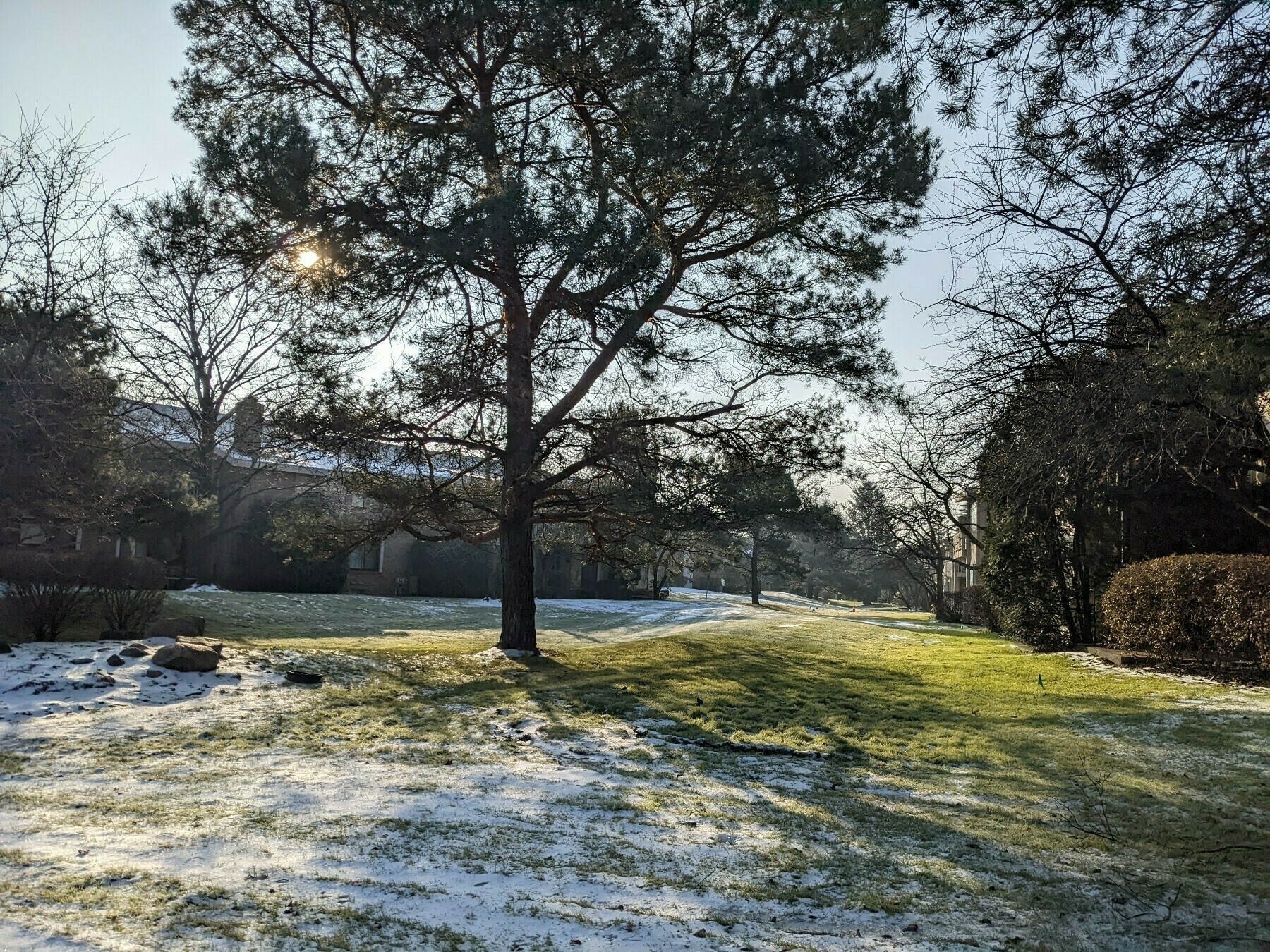
December 21, 2021, First Day of Winter
In an example of not seeing what is plainly in front of me, today I noticed the Embed link next to posts in my micro.blog timeline. Looks like the intent is a kind of “quote tweet” of another’s post, but does have me wondering why and how I would use it? Looks like the feature has been available for more than a year, but I have not come across its use.
Does Mac OS really not have a shortcut to minimize all windows to display the desktop?
This story of how Microsoft came up with the name of Windows CE rings true and makes me wonder who was the executive that forced the name?
Do you think Die Hard is a Christmas movie?
The NHL has now “paused' their season, meaning no games until after Christmas. For now. Bets on the pause extending until after New Years?
It’s beginning to feel a lot like March, 2020, when the world seemed to start locking down. Back then it started with professional sports and now I see NHL, NBA, and NFL games being postponed. The NHL is postponing travel games to Canada for U.S. teams.
There is much in this New Yorker article, A Political Philosopher Is Hopeful About the Democrats, that makes sense to me as one who lives in fly-over country. I think the desire to be respected may be stronger than of democracy. Our predicament is due to an avalanche of decisions starting with Reagan and continuing through Clinton, Bush, and Obama. Unfortunately the mode of politics is to gain power and then get all you want while you can so there is no real focus on core needs.
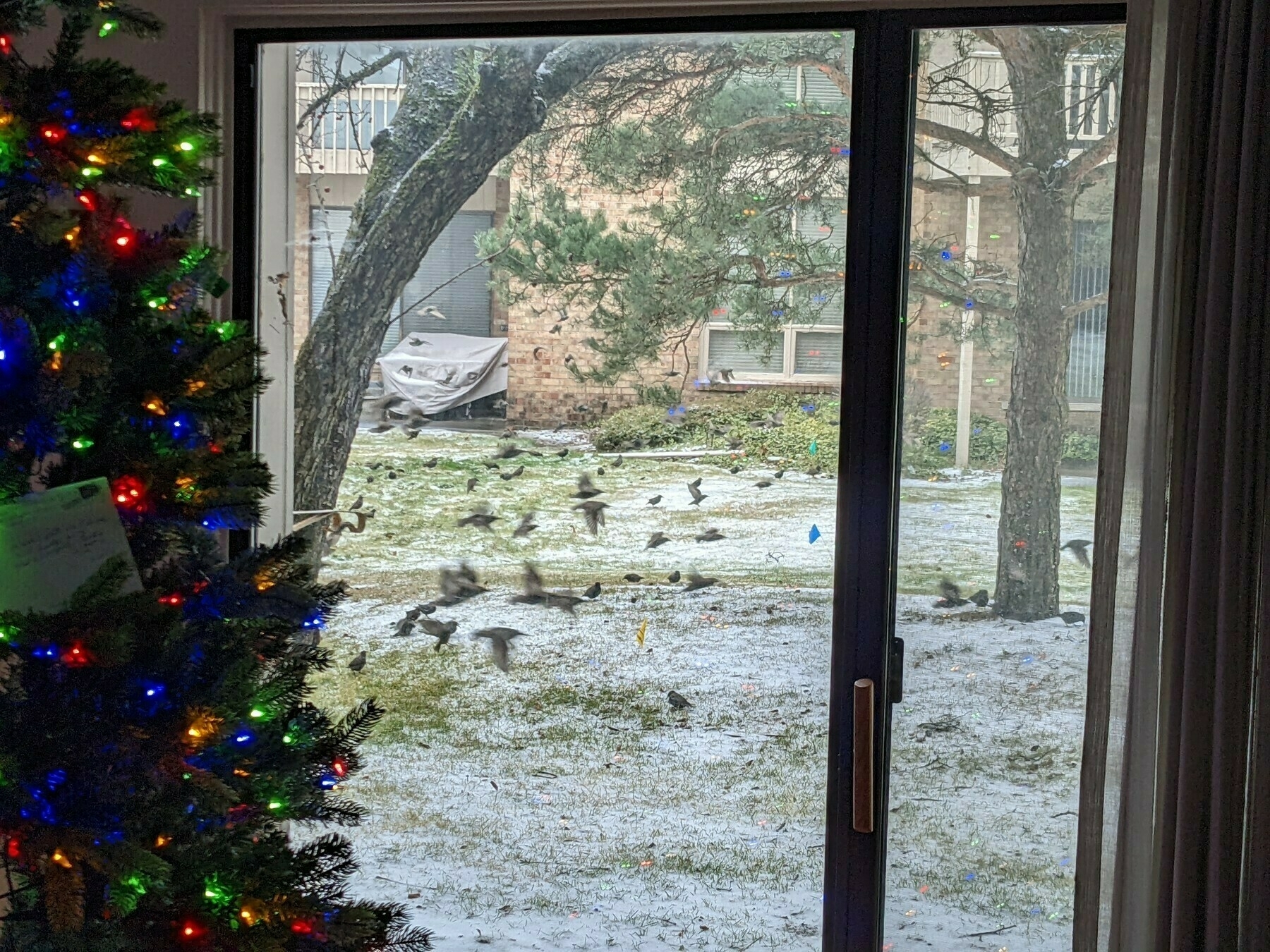
We are being visited by a flock of birds, enough that I can hear them chirping as they forage. When the whole flock takes flight you hear the mass flutter of their wings.
I am seeing a definite increase in the number of athletes in COVID-19 protocols and sporting events being delayed. I can’t help but feel some form of a lockdown is coming. Bah humbug!
From two years ago:
My constantly saying that I am great does not make me so, that makes me arrogant.
As noted previously, I have a new Macbook Air and I am just getting used to using Mac OS. When at my desk I am connecting the Macbook to a 32 inch BenQ monitor via a USB-C dock and because I am using the Macbook’s keyboard, the monitors are arranged in System Preferences Displays settings as vertically stacked, with the external display above the internal display. I have the external display set as the primary but what has been frustrating is that the OS X dock doesn’t automatically move up to the primary display. I cannot believe that I have to move the mouse to the bottom left of the external monitor to get the dock to move when OS X seems to be smart enough to know which menu bar is active on which display; seems to me on which ever screen the menu bar is active that is the display that should have the dock. Testing shows that the issue only seems to be with vertical stacking of the displays (so I move the mouse up/down between displays) and not when the monitors are horizontally arranged (move the mouse right/left between displays).
Today’s Axios Future provides a very nice one pager about Quantum Computing. I really like how Axios publishes on the web.
It’s a weird weather day. Temperatures are in the 50s, which is way above normal, and a lot of wind. Weather apps are reporting sustained 20 mph wind with gusts up to 40 mph. Right now rain is moving in. Biggest risk is a power outage. I am trying to decide whether I can take my normal walks outside.